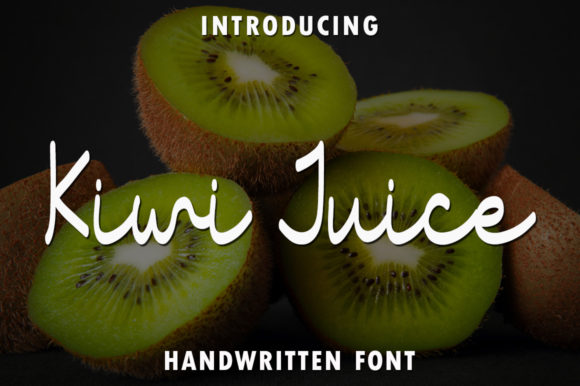
Kiwi Juice Font: A Handwritten Touch for Web Design
Kiwi Juice is a sweet and cursive handwritten font that brings a joyful and romantic tone to digital projects. As a web designer, I appreciate how this script font can elevate the visual appeal of a website while maintaining a sense of elegance and approachability.
Designed with a gentle flow and soft curves, Kiwi Juice adds a personal touch to any layout. Its style is ideal for creative and lifestyle-focused websites where a humanized feel is important. The font’s unique character makes it stand out without overwhelming the design, making it perfect for headers, logos, and decorative elements.
Using Kiwi Juice in Web Design
When working on website headers or hero sections, Kiwi Juice can serve as a strong visual anchor. Its readability on larger screens makes it suitable for title text, especially when paired with a clean sans serif font for body copy. This combination helps maintain visual hierarchy while keeping the design balanced and easy to scan.
For landing pages and call-to-action areas, using Kiwi Juice on buttons or short phrases can add a playful yet professional edge. It works well for boutique online stores, coaching websites, or product landing pages where a personal connection with the audience is key.
In blog graphics or social media content, Kiwi Juice can be used for headings or pull quotes. Its handwritten style gives a more authentic feel, which is great for content that aims to engage readers emotionally.
Readability and Responsive Design
While Kiwi Juice is visually appealing, it's important to consider its readability, especially on mobile screens. At smaller sizes, the font may become less legible, so it's best reserved for headlines and short text blocks rather than long paragraphs.
When using Kiwi Juice on dark backgrounds or image overlays, ensure there is enough contrast to maintain clarity. On light backgrounds, the font remains readable but may require slight adjustments in spacing or weight for optimal results.
For responsive layouts, test the font at different screen sizes to confirm it scales well. Avoid using it in small buttons or navigation menus where clarity is crucial. Instead, use it for decorative accents or secondary text elements that don’t interfere with user interaction.
Font Pairing and Brand Identity
Kiwi Juice pairs well with modern typography styles. For example, combining it with a simple sans serif font like Open Sans or Lato creates a clean and professional look. This pairing is ideal for websites that want to balance creativity with readability.
If you're going for an editorial or magazine-style design, pairing Kiwi Juice with a serif font like Georgia or Playfair Display can enhance the overall aesthetic. This combination adds depth and sophistication to content-heavy sites such as blogs or portfolio pages.
For a more casual or artistic brand, Kiwi Juice can be used as the primary typeface. However, it’s important to ensure the font supports the brand’s tone and message. If the brand requires a more formal or structured appearance, consider using Kiwi Juice as a secondary element rather than the main text.
Practical Applications for Digital Projects
On a creative portfolio site, Kiwi Juice can be used for project titles or section headers. It adds a personal and artistic flair that complements the work being showcased. Similarly, in a digital brand kit, the font can be used for logo design, social media graphics, or packaging design elements.
For online stores, Kiwi Juice works well on banners and promotional headers. It adds a whimsical touch that can attract attention without distracting from the main content. In course sales pages or SaaS landing pages, using the font for key selling points or taglines can create a memorable impression.
When designing for a coaching or wellness website, Kiwi Juice can help convey a warm and supportive tone. It’s also useful for blog headers or content sections where a friendly and inviting feel is desired.
Commercial Licensing and Font Availability
Before using Kiwi Juice in commercial projects, check the licensing terms. Ensure the font is available in webfont formats such as WOFF or WOFF2 for seamless integration into websites. Some fonts may require separate licenses for web use, especially if they’re part of a premium font collection.
Consider the font’s multilingual support if your audience includes non-English speakers. While Kiwi Juice may not cover all languages, it’s often designed with basic Latin characters in mind, which is sufficient for many digital projects.
Additionally, look for alternate characters or stylistic sets that allow for more flexibility in design. These variations can help customize the font to better fit specific branding needs or layout requirements.
As a web designer, I recommend experimenting with Kiwi Juice in different contexts to see how it performs. Whether you're building a new website or updating an existing one, this font offers a unique way to express creativity while maintaining a professional digital presence.