Sweet Kiwi Font for Creative Design
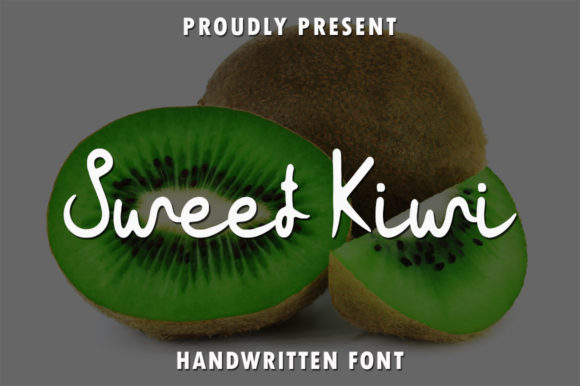
Sweet Kiwi is a friendly and flowing handwritten font that brings a personal touch to editorial design. Its well-balanced characters make it ideal for a wide range of publishing needs, from blog headers to ebook titles. As a script handwritten font, Sweet Kiwi adds warmth and character to any layout while maintaining readability across different formats.
The visual characteristics of Sweet Kiwi reflect a natural, organic style that feels approachable and inviting. Its curves and strokes flow smoothly, creating a sense of movement and energy. This makes it particularly effective for content that aims to connect with readers on an emotional level, such as lifestyle blogs, recipe guides, or wedding planning materials.
In editorial design, Sweet Kiwi can be used to create striking headings, cover text, and pull quotes that stand out without overwhelming the reader. Its personality works well in both digital and print formats, making it a versatile choice for designers looking to add a unique visual identity to their publications.
Using Sweet Kiwi in Editorial Layouts
For blog headers, Sweet Kiwi offers a fresh alternative to standard sans serif fonts. It can be used to highlight key sections, introduce new topics, or draw attention to important calls to action. When paired with a clean body font, it creates a balanced contrast that enhances readability without sacrificing style.
In magazine covers, Sweet Kiwi can serve as the main headline or supporting text, adding a sense of elegance and creativity. Its handwritten quality gives a personal touch that resonates with readers, especially in niche publications or creative industry magazines.
When designing ebook titles, Sweet Kiwi can help establish a brand identity that feels cohesive and professional. It works well for titles that aim to convey a sense of inspiration, such as wellness guides, creative writing resources, or printable planners.
Sweet Kiwi for Quote Graphics and Content Branding
Sweet Kiwi is also excellent for quote graphics, where its flowing style can enhance the emotional impact of a message. Whether used in social media posts, email newsletters, or printable content, it adds a visually appealing element that supports the overall tone of the message.
For content branding, Sweet Kiwi can be incorporated into logos, watermarks, or header designs to create a consistent visual theme. Its friendly nature makes it suitable for brands that want to appear approachable and authentic, such as lifestyle coaches, small businesses, or independent creators.
As a display font, Sweet Kiwi excels in short-form text like section headings, subheadings, and accent typography. It’s less suited for long paragraphs of body text due to its intricate details, which can affect readability on smaller screens or in low-resolution prints.
Practical Applications of Sweet Kiwi
Consider using Sweet Kiwi in a lifestyle blog to give headlines a more personal and engaging feel. For a recipe ebook, it can be used to highlight dish names or cooking tips, adding a touch of charm to the design. In a wedding guide, it can be used for event titles or special messages, enhancing the romantic and celebratory mood.
For a coaching workbook, Sweet Kiwi can be used in chapter openers or motivational quotes to inspire readers. In a digital magazine, it can be used for feature titles or pull quotes that break up dense text and add visual interest.
When designing printable planners or worksheets, Sweet Kiwi can be used to label sections or add decorative elements that make the content more engaging. It’s also a great choice for lead magnets or free downloadable resources, where a friendly and expressive font can encourage sign-ups and downloads.
Readability and Technical Considerations
While Sweet Kiwi is highly readable in larger sizes, it’s important to test it on different devices and screen resolutions. On mobile layouts, ensure that the font remains legible and doesn’t become too cramped. For print, check that the font maintains clarity when scaled down for smaller formats.
When using Sweet Kiwi in PDF exports, confirm that the font embeds correctly to avoid display issues. For web use, consider using a web-safe alternative or a font conversion tool to maintain consistency across platforms.
Font Pairing and Design Integration
To maximize the effectiveness of Sweet Kiwi, pair it with complementary fonts that enhance its visual appeal. A serif font like Georgia or Times New Roman can provide a classic contrast for body text, while a clean sans serif like Arial or Helvetica works well for captions and navigation elements.
When integrating Sweet Kiwi into a design, consider the overall tone and purpose of the publication. For a modern, minimalist look, pair it with a geometric sans serif. For a more traditional or nostalgic feel, combine it with a vintage serif font.
Check the available styles, alternates, and ligatures to ensure that the font meets your design needs. If multilingual support is required, confirm that the font includes the necessary glyphs for your target audience.
Commercial Licensing and Usage
Before using Sweet Kiwi in commercial projects, review the licensing terms to ensure compliance. It’s suitable for use in ebooks, templates, printables, paid newsletters, client publications, and digital downloads, provided that the license permits such usage.
As a premium font, Sweet Kiwi offers high-quality design assets that can elevate the visual appeal of any publication. Whether you're a blogger, publisher, or designer, incorporating this font into your workflow can help create content that stands out and resonates with your audience.